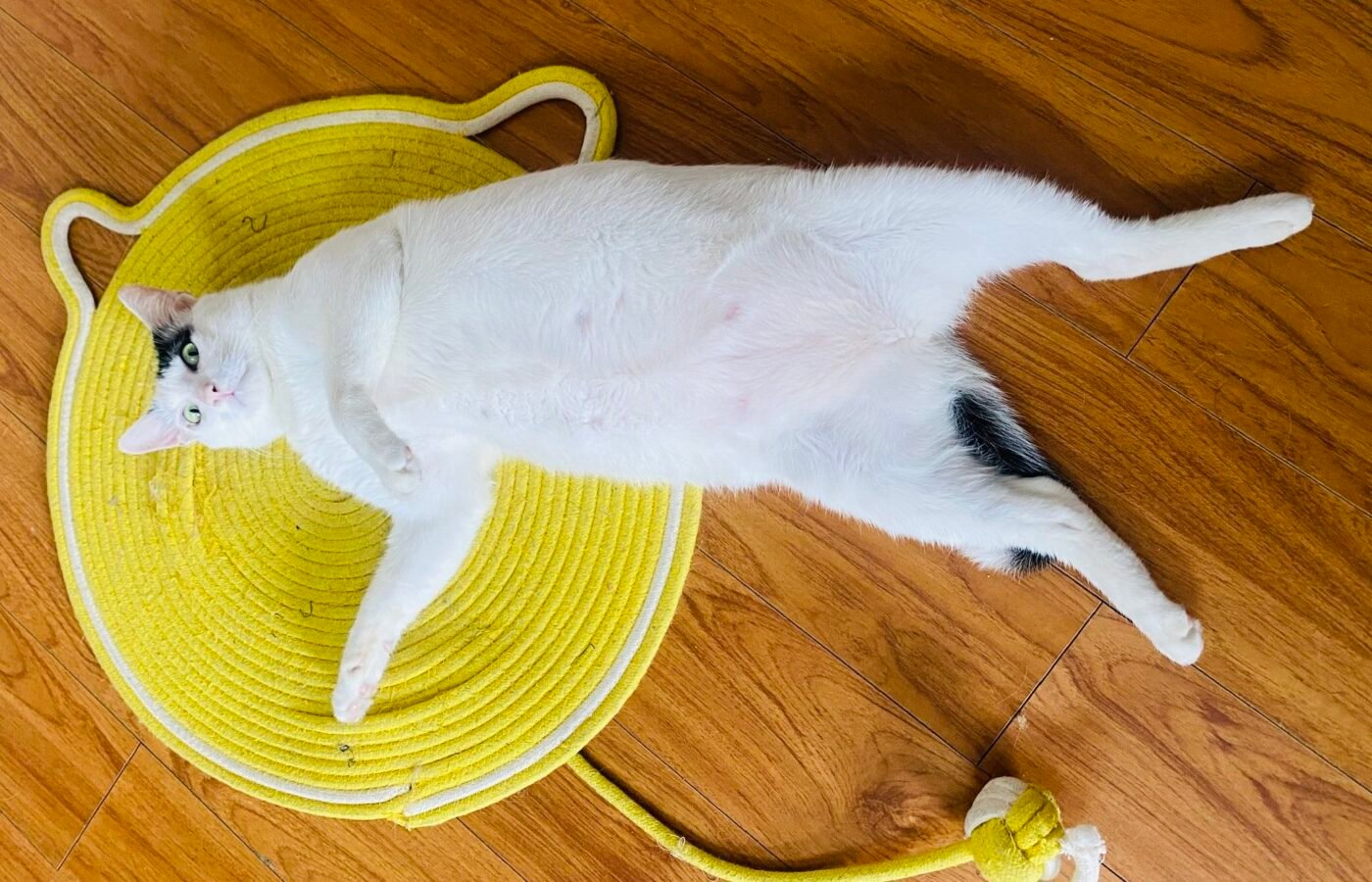
Weight Management in Cats: Why Obesity Is Hard to Reverse

Helping an overweight cat lose weight is not simply a matter of putting less food in the bowl. A cat’s calorie needs, activity level, body condition, feeding routine, and health all affect the plan. Because cats can become seriously ill if they stop eating or lose weight too quickly, weight reduction needs to be gradual and monitored.
Why Cats Gain Weight So Easily
Weight gain happens when a cat consistently takes in more energy than it uses. The reasons can be surprisingly ordinary: free-choice feeding, calorie-dense food, frequent treats, reduced activity after neutering, indoor living, or portions that gradually become larger over time.
Two cats of the same body weight may need different amounts of food. Energy needs are influenced by age, activity, neuter status, body condition, and health. The goal is therefore to maintain an appropriate body condition, not simply to reach a particular number on the scale.
Before adjusting portions, it helps to understand the bigger nutritional picture. Our guide to what cats need in their diet explains the essential nutrients that should remain covered while calories are being managed.
Body Weight Is Not the Whole Story
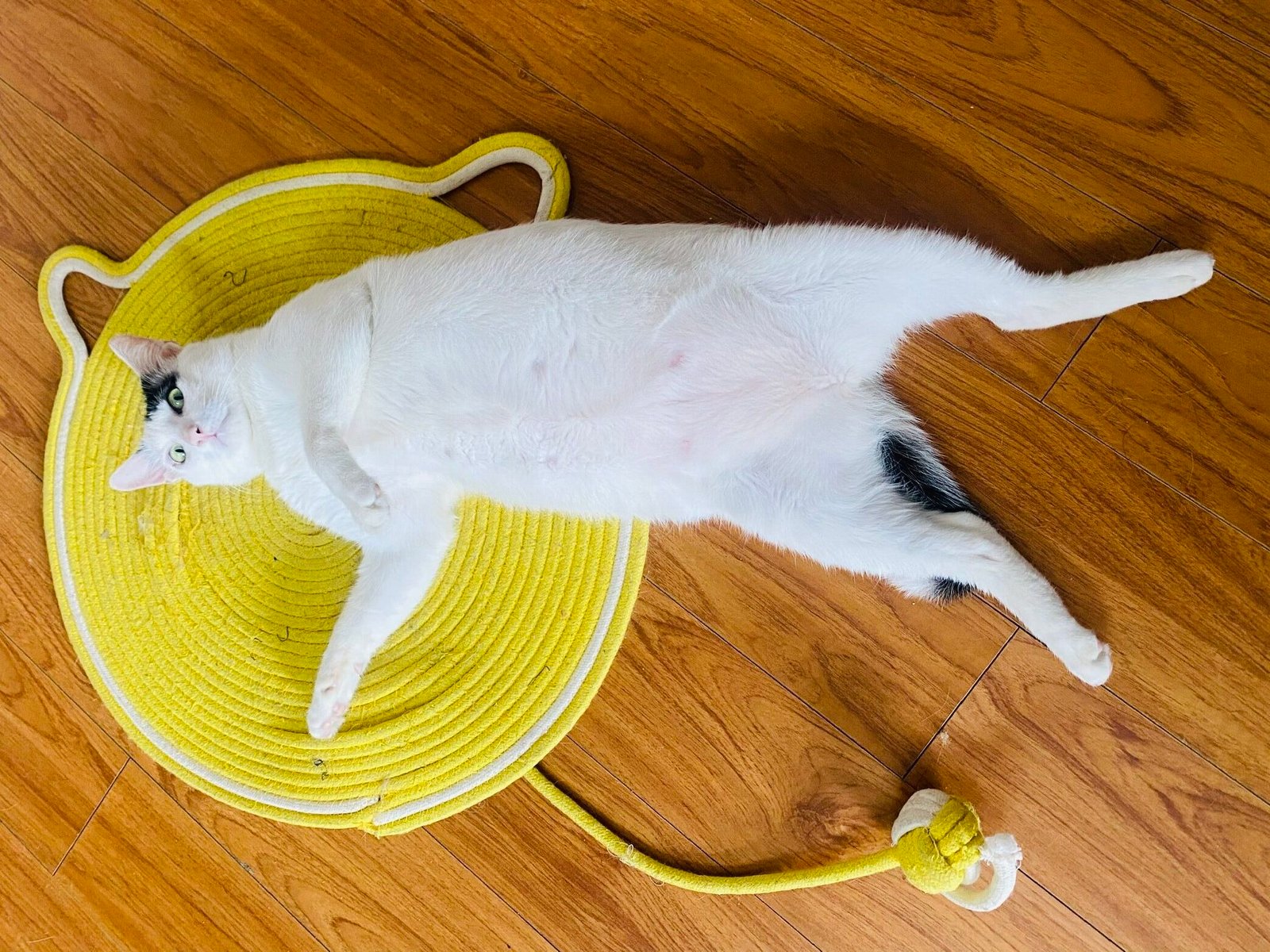
A cat can be heavy without having a healthy body composition. Veterinarians commonly use a Body Condition Score (BCS) to assess whether a cat is underweight, at an ideal condition, overweight, or obese.
Looking at a cat from above and from the side can help, but hands are often more useful than eyes. You should be able to feel the ribs without pressing hard, while the waist should be visible behind the ribs. Muscle condition also matters because a cat can carry excess fat while losing lean tissue.
This is why weight management should focus on body condition and muscle condition as well as body weight.
Why “Just Feed Less” Can Be the Wrong Strategy
Simply cutting the amount of a regular maintenance food may reduce calories, but it can also reduce the amount of essential nutrients the cat receives. Purpose-formulated weight-management diets are designed to provide adequate nutrients at a lower calorie density.
The goal is to create a calorie deficit while still providing enough protein, vitamins, minerals, and other essential nutrients. Depending on the cat, a veterinarian may recommend a specific weight-management diet and calculate a daily calorie target based on ideal weight.
Why Rapid Weight Loss Is Dangerous in Cats
Cats are different from people when it comes to dieting. A cat that eats very little or stops eating can develop hepatic lipidosis, commonly called fatty liver disease. This can become a serious and potentially life-threatening problem.
For that reason, an overweight cat should not be put on a crash diet. AAHA guidance notes a typical target of about 0.5–2% body-weight loss per week for obese cats, with the actual plan adjusted to the individual patient.
The safest approach is to work with a veterinarian, especially if your cat is significantly overweight or has another health condition. AAHA’s feline weight-loss guidance also emphasizes gradual weight loss, portion control, activity, and regular monitoring.
Food Is Only One Part of the Plan
Changing food can help, but the feeding routine matters too. Measuring portions, limiting high-calorie treats, and avoiding unplanned extras can make a large difference over time.
Activity matters as well. Indoor cats may benefit from short interactive play sessions, climbing opportunities, food puzzles, or other forms of environmental enrichment. The goal is not to turn every meal into exercise, but to make movement and normal feline behaviors easier to express.
For cats whose diet is already being reviewed, our guide comparing wet vs. dry cat food can help explain how food format, moisture, calorie density, and portion control fit into the bigger picture.
The Feeding Routine Can Matter More Than You Think
Free-feeding can make calorie intake difficult to see. A bowl that is always available may encourage some cats to eat more than they need, especially when the food is calorie dense.
A measured daily ration can make intake easier to track. Some cats do better with several small meals, and timed feeders or food puzzles can help provide structure without making feeding stressful.
If you are unsure how much your cat actually eats, keeping a short food diary can be useful. Include the main food, treats, table food, supplements, and anything used to give medication. Our feeding guide can help with the basics of portion planning.
Why Weight Loss in Cats Can Feel Slow
A healthy weight-loss plan is supposed to be gradual. The first few weeks may not produce a dramatic visual change, and that is not necessarily a sign that the plan is failing.
What matters is the trend: body weight, body condition, muscle condition, appetite, and general health. If progress stalls, review calories, treats, activity, or the diet rather than simply making a large cut in food.
A sudden change in appetite is different from a planned weight-loss response. If your cat starts eating differently, observe what changed first rather than assuming the problem is simply weight.
A Simple Way to Think About Cat Weight Management
| What to look at | Why it matters |
| Body weight | Shows the overall trend, but does not tell the whole story. |
| Body condition | Helps determine whether the cat is carrying too much or too little body fat. |
| Muscle condition | Helps make sure weight loss is not coming mainly from lean tissue. |
| Daily calories | The amount matters more than the bowl looking full or empty. |
| Treats and extras | Small extras can add meaningful calories over time. |
| Activity | Movement and enrichment can support a sustainable plan. |
| Appetite and health | A sudden drop in eating is not something to ignore. |
The Bottom Line
Cat weight management is not about making a cat eat as little as possible. It is about finding the right amount of energy for that individual cat while protecting nutritional adequacy, muscle mass, and overall health.
If a cat is overweight, the best first step is usually assessment rather than a sudden food change: look at body condition, review everything the cat eats, consider activity and lifestyle, and set a gradual weight-loss target. When the plan is monitored and adjusted over time, weight management becomes safer and much more manageable.