Dog Nutrition
Dog Nutrition
Science-based nutrition guides to help you understand what your dog needs at every stage of life — from essential nutrients and feeding amounts to life-stage nutrition and everyday dietary choices.
Healthy Food Options
Practical guides to help you understand dog food ingredients, read nutrition labels, compare different types of food, and make better feeding choices based on your dog’s age, size, activity level, and nutritional needs.
Understand dog food ingredients, food comparisons, and how to choose better nutrition options for your dog. For guidance on reading pet food labels, see the AAFCO guide to understanding dog and cat food labels.
🐕 Life Stages
Learn about puppy feeding schedules, essential nutrients, and how to support healthy growth during early life stages.
🧬 Nutrient Needs
Discover balanced diets, protein needs, and practical feeding strategies to help adult dogs stay healthy.
🥩 Feeding Decisions
Understand dog food ingredients, food comparisons, and how to choose better nutrition options for your dog.
Latest Dog Nutrition Articles
-
Do Dogs Need Supplements? A Nutrient-by-Nutrient Reality Check
Walk into a pet store and you can find supplements for almost everything: vitamins, minerals, fish oil, joint support, probiotics, skin and coat formulas, calming products, and more. That can make supplementation feel like a normal part of responsible pet care. But the first question should be simpler: does your dog actually have a nutritional…
-
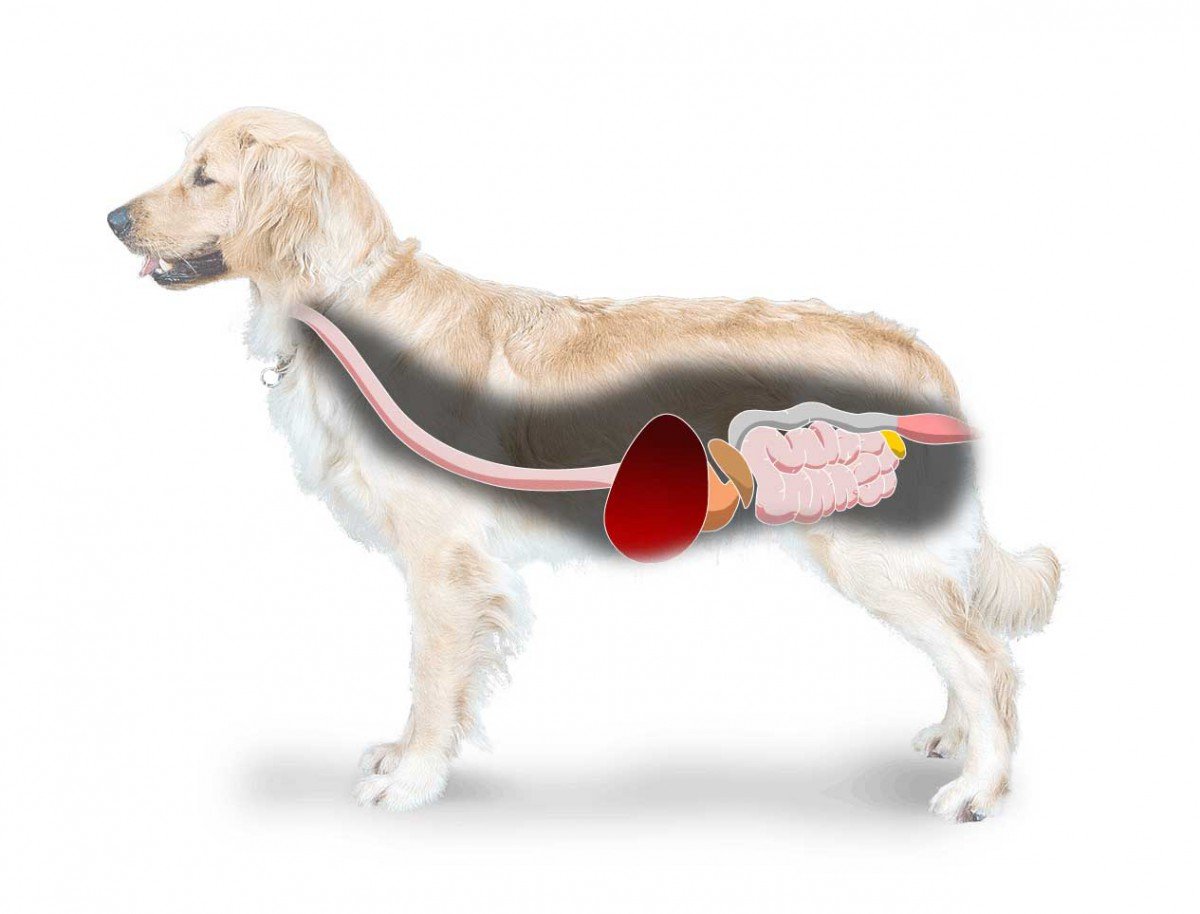
The Dog Gut Microbiome: How Food Choices Shape Digestive Health
When people talk about dog digestion, they often focus on protein, fat, fiber, ingredients, or calories. But digestion does not happen through the dog alone. The gastrointestinal tract contains a community of microorganisms that interacts with the food passing through it. This community is commonly called the gut microbiome. Its composition and activity can vary…
-
Hydration and Kidney Health: Why Water Intake Matters as Much as What’s in the Bowl
When people talk about pet nutrition, water is often treated as something that sits beside the food bowl rather than something that belongs inside the nutrition conversation. Physiologically, that distinction does not make much sense. Water is a nutrient, a transport medium, and one of the main variables the kidneys continuously regulate. A dog or…
-
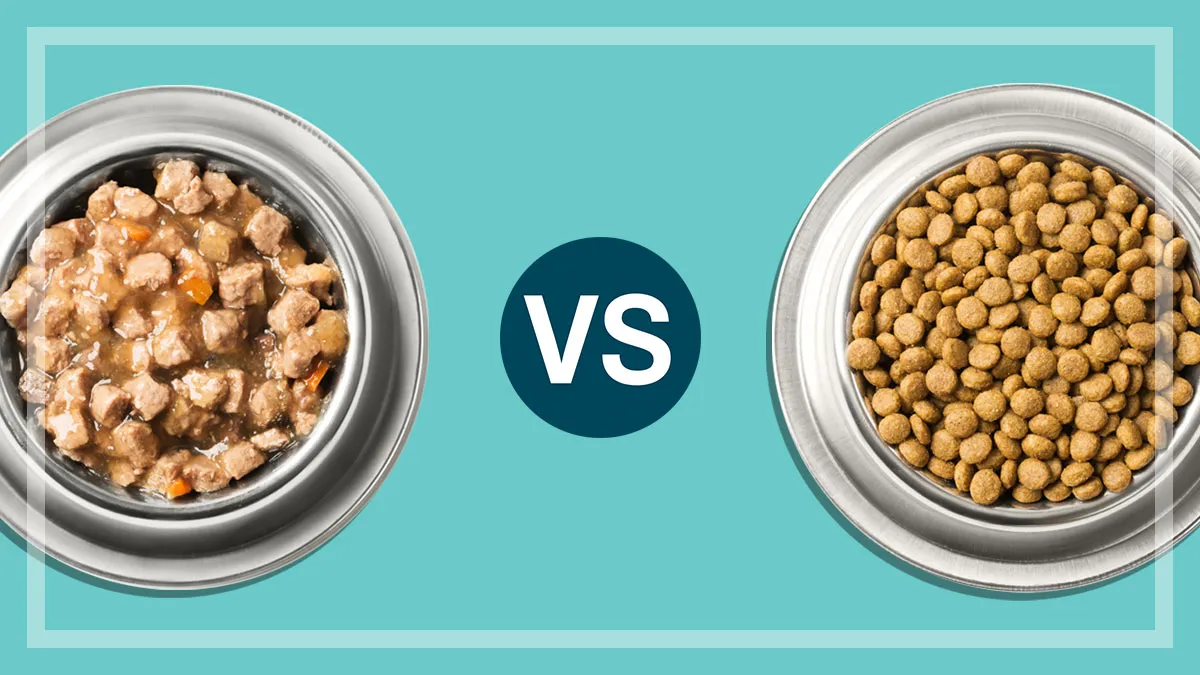
Wet vs. Dry Dog Food: Does Kibble vs. Canned Really Change Digestion?
Wet vs dry dog food digestion is rarely as simple as one format being ‘easy’ and the other ‘hard.’ Once food enters the gastrointestinal tract, what matters is what the diet contains, how it was processed, how much water it carries, and how the individual dog responds. Once food enters the gastrointestinal tract, what matters…
-

Common Dog Nutrition Myths: Fact-Checked One by One
Dog nutrition advice is full of simple rules: avoid grains, never feed by-products, more protein is always better, raw food is healthier, or a short ingredient list automatically means a better food. The problem is that nutrition is rarely that simple. A useful diet has to meet a dog’s nutritional needs, provide appropriate calories, and…
-

Dog vs. Cat Nutrition: Where the Science Actually Diverges
Dogs and cats may share our homes, sleep on the same sofa, and even try to steal from the same bowl. Nutritionally, however, they are not interchangeable. The biggest difference is not that one animal eats “more meat.” It is that cats have several nutrient requirements that are different from dogs, while dogs have a…
-

Dogs With Special Needs: Feeding Through Allergies, Sensitivities, and Weight Issues
Choosing dog food for allergies is not always as simple as picking a “hypoallergenic” formula. It may be dealing with suspected food allergy, recurring digestive problems, excess weight, or several of these issues at the same time. The challenge is that these problems can look similar from the outside—yet they do not always require the…
-

Why Some Dogs Refuse Food: Beyond Picky Eating
Some dogs seem happy to eat almost anything. Others suddenly turn away from their bowl, lose interest in a familiar food, or learn to wait for something they prefer. That can look like simple pickiness, but a dog refusing food can have several different explanations. The important first step is to distinguish a stable preference…
-
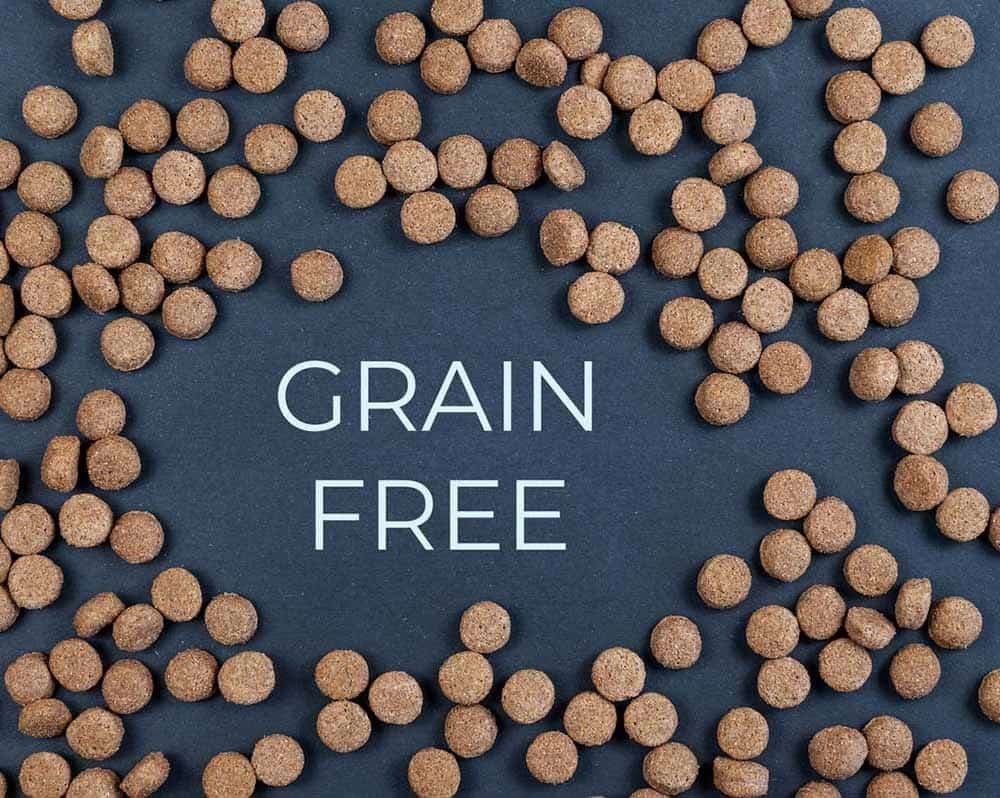
Grain-Free, Raw, or Traditional Kibble: Comparing the Evidence, Not the Trends
Dog food trends can make one feeding style sound automatically better than another. Grain-free recipes may be marketed as more natural, raw diets may be promoted as closer to a dog’s ancestral diet, and traditional kibble may be dismissed as overly processed. But nutrition is more complicated than a label or feeding style. A better…