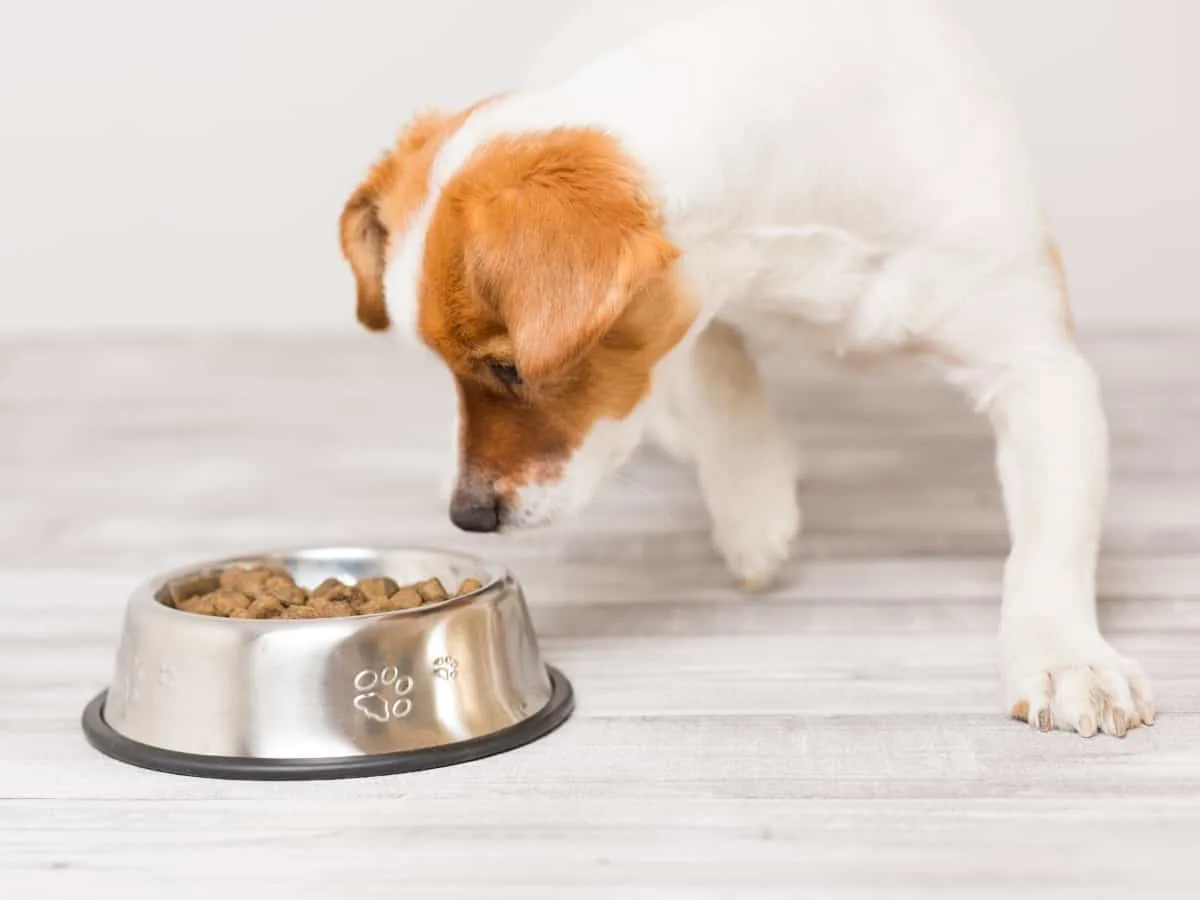
Why Some Dogs Refuse Food: Beyond Picky Eating

Some dogs seem happy to eat almost anything. Others suddenly turn away from their bowl, lose interest in a familiar food, or learn to wait for something they prefer. That can look like simple pickiness, but a dog refusing food can have several different explanations. The important first step is to distinguish a stable preference from a genuine change in appetite.
Picky Eating or a Change in Appetite?
A dog that has always been selective, remains energetic, maintains a healthy body condition, and still eats enough is different from a dog that normally eats well and suddenly refuses food. The first pattern may reflect food preference or learned feeding behavior. The second deserves closer attention.
Before changing the diet, consider the basics: how much the dog is actually eating, what treats or table foods it receives, whether its routine has changed, and whether its body condition is appropriate. A useful starting point is to understand how much you should feed your dog rather than judging appetite only by how quickly the bowl is emptied.
Why Some Dogs Become Picky
Dogs can learn that refusing one food sometimes leads to a more exciting option. If a dog regularly receives treats, table scraps, or several replacement foods immediately after ignoring its meal, refusing the original meal can become part of a learned pattern.
That does not mean picky eating is always a training problem. Palatability matters, and individual dogs can have strong preferences for particular flavors, textures, or food forms. Feeding environment also matters: competition from other pets, stress, noise, changes in routine, or an uncomfortable feeding location can affect how willingly a dog eats.

The Treat Problem: When Extra Food Changes the Picture
A dog may seem to be refusing its regular food, but the bowl does not show everything the dog eats during the day.
For example, a dog may need around 600 kcal a day:
- Regular food: 500 kcal
- Treats: 80 kcal
- Chews or table food: 50 kcal
That dog is already getting about 630 kcal, even though it leaves some of its regular food behind.
Treats can also affect behavior. If a dog refuses its regular food and the owner immediately offers chicken or a favorite treat, the dog may learn:
Refuse the first food → get something better.
So when a dog appears picky, look at the whole diet, not just the food left in the bowl. Treats, chews, table food, and food used for medication all count toward daily intake.
For healthy dogs, treats should generally provide no more than about 10% of daily calories. This helps keep the main diet nutritionally balanced while avoiding too many extra calories.
When the Food Itself Is the Problem
Sometimes the issue is not the dog’s behavior at all. A new formula may smell different, have a different texture, or simply be less appealing to that individual dog. A sudden diet change can also cause gastrointestinal upset in some animals.
Food quality should be evaluated in context rather than by one ingredient or one marketing claim. Looking at the ingredient list can help explain what changed between two products, but ingredients alone do not determine whether a food is appropriate.
When comparing a current diet with a new one, use pet food ingredients as one part of the evaluation, alongside nutritional adequacy, calories, life stage, body condition, and how the dog actually responds to the food.
Routine and Environment Can Change Eating Behavior
Dogs are sensitive to changes in their feeding routine and environment. A move, a new pet, a different feeding location, a change in schedule, or competition around the food bowl can alter eating behavior. WSAVA nutritional assessment guidance specifically includes feeding frequency, location, environmental stressors, activity, and competition between pets as factors worth evaluating.
For some dogs, improving the feeding setup may be more useful than constantly changing the food. A consistent schedule, a comfortable feeding location, appropriate portion control, and reduced competition can make eating more predictable.
A Sudden Refusal Is Different
The most important distinction is between a dog that is selective and a dog whose appetite has changed. A sudden reduction in food intake can be associated with stress or a recent routine or diet change, but it can also occur with dental pain, gastrointestinal disease, nausea, infection, organ disease, or other medical problems.
Veterinary guidance therefore recommends looking for the reason behind a meaningful appetite change rather than automatically labeling the dog a picky eater. If a dog refuses food and also shows vomiting, diarrhea, lethargy, pain, weight loss, difficulty chewing, or other abnormal signs, veterinary assessment becomes especially important. Veterinary guidance on picky eaters can help owners understand why medical causes should be considered first.
How to Handle a Dog That Refuses a New Food
• Check whether the dog is eating treats, chews, table food, or food used for medication.
• Consider whether anything changed in the household, feeding routine, or environment.
• Avoid repeatedly replacing an untouched meal with increasingly appealing alternatives.
• If changing food, introduce the new diet thoughtfully rather than making unnecessary abrupt changes.
• Monitor actual food intake, body condition, energy, stool quality, and other signs rather than focusing only on whether the bowl is empty.
• If appetite loss is sudden, persistent, or accompanied by other symptoms, involve a veterinarian rather than treating it as ordinary pickiness.
What About Dogs That Refuse Prescription Food?
Prescription diets can be nutritionally important for dogs with specific medical conditions, but some dogs may find a therapeutic food less appealing than their previous diet. The goal should not be to let a dog go without adequate nutrition simply because it refuses one formulation. If a medically necessary diet is not being accepted, the veterinarian can help determine whether another appropriate formulation, feeding approach, or transition plan is possible.
This is one reason nutrition should be viewed as more than choosing a bag of food. A complete assessment considers the dog, the diet, the feeding method, and the environment together. The broader Pet Nutrition framework can help owners understand those pieces as a whole.
The Bottom Line
Why dogs refuse food is not explained by one behavior. Some dogs are genuinely selective, while others are responding to treats, learned patterns, food changes, environmental stress, or a less appealing diet. A dog that suddenly loses interest in food is a different situation from a dog that has always been a selective eater.
The most useful question is not simply, “Is my dog picky?” It is, “What changed, and is my dog still getting enough appropriate nutrition?” That shift in perspective helps owners avoid both overreacting to normal preferences and overlooking meaningful changes in appetite.
Quick Summary
- Stable food preference is different from sudden appetite loss.
- Treats, chews, table food, and inconsistent feeding can influence what a dog chooses to eat.
- Palatability, food changes, routine, environment, and competition can all affect eating behavior.
- A new refusal to eat should not automatically be dismissed as pickiness.
- Other symptoms or persistent appetite changes warrant veterinary attention.
- The best feeding decision considers the dog, the diet, feeding management, and environment together.