What Our Pets Can Teach Us About Feeding, Aging, and Paying Attention

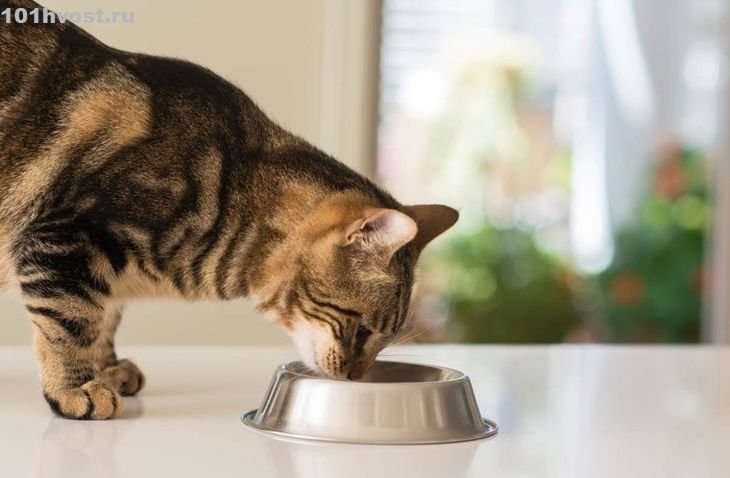
Pet feeding and aging are more connected than they first appear. Feeding a pet can look like one of the most ordinary parts of the day — fill the bowl, put it down, move on — but over time, the bowl becomes a quiet record of how an animal is changing.
The Bowl Is Not the Whole Story
A feeding chart can tell us where to start, but it cannot tell us everything about the individual animal. Food intake makes more sense when we look alongside body condition, activity, appetite, digestion, and life stage.
Pets Change Before We Notice
Aging rarely arrives as one dramatic event. A dog may become slightly less active. A cat may sleep more. An older animal may gradually lose muscle while body weight appears almost unchanged. These small changes matter because nutrition is connected to what the body is doing.
Feeding Is a Form of Attention
Is the bowl being emptied more slowly? Has the pet started leaving food behind? Is the animal asking for food more often? Has activity changed? Are treats quietly becoming a large part of daily intake? These observations do not diagnose a problem; they are signals to look closer. For cats specifically, see Essential Nutrients for Cats to understand what a healthy feeding pattern actually looks like.
Aging Changes the Question
When a pet is young, the question is what it needs to grow. As an adult, the question becomes what amount maintains a healthy body. Later in life, the question becomes what has changed and what this individual needs now.
Food Does Not Need to Be Perfect to Be Appropriate
A useful goal is not to find the ‘best’ food, but a diet that is nutritionally adequate, appropriate for life stage and condition, and practical enough to follow consistently. A label gives us a starting point; the animal gives us feedback.
What Dogs and Cats Can Teach Us
Consistency matters, but routines should respond to real changes. A number on the scale is useful, but body and muscle condition tell a fuller story. Food is important, but the way an animal eats can also tell us something. Aging is a process, not a switch. Good care often begins with noticing small changes.
A Simple Daily Practice
- Is my pet eating about the same amount as usual?
- Has body weight or body condition changed?
- Has activity changed?
- Are treats or extras adding more calories than before?
- Is there any persistent change that should be discussed with a veterinarian?
The Quiet Lesson
Our pets cannot explain that something feels different. They cannot tell us that food is harder to chew, that they are less hungry, or that their body no longer handles the same routine as easily. What they can do is show us: a slower meal, less movement, a little more weight, loss of muscle, or a bowl that is suddenly not being finished. Nutrition is therefore not only about what we put in the bowl. It is also about learning to pay attention to the animal eating from it.
None of this requires perfection. It only requires attention — checking in on the bowl the same way we’d check in on any other part of a pet’s daily life. Over months and years, these small observations add up to something more useful than any single feeding chart: a real picture of how an individual animal is doing, built one ordinary meal at a time. That is the quiet lesson pets teach us — not through words, but through the simple, repeated act of showing up at the bowl, day after day, without fail.