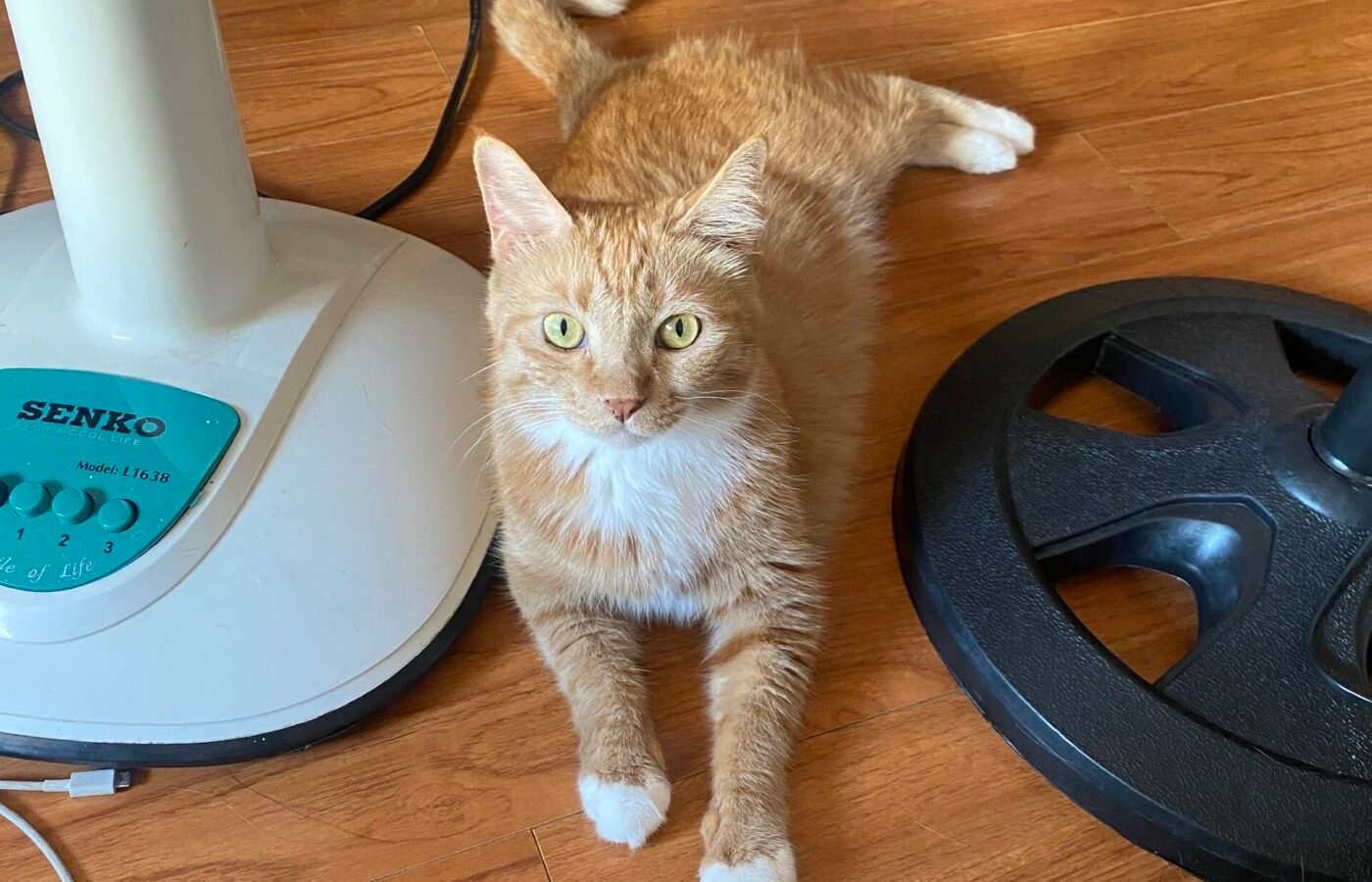
Senior Cats: How Nutritional Needs Change as Kidney and Metabolic Health Shift

Senior cat nutrition is not simply about switching to a food labeled “senior.” As cats age, changes in body weight, muscle condition, activity, appetite, hydration, kidney function, and metabolism can affect what type and amount of food is appropriate. For a broader foundation, see our Cat Nutrition guide.
The important point is that aging does not create one universal senior diet. A healthy older cat may continue to do well on a complete and balanced adult diet, while another may need dietary changes because of weight loss, obesity, chronic kidney disease, diabetes, dental disease, or another condition.
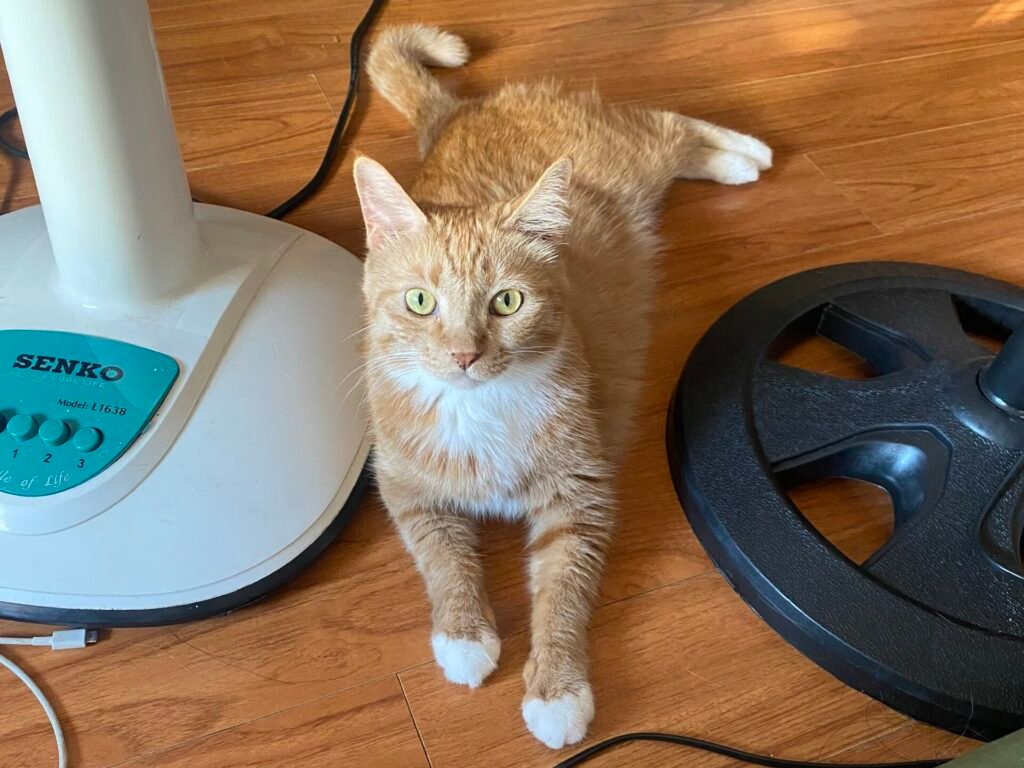
When Is a Cat Considered Senior?
There is no single age when every cat suddenly becomes senior. Cornell notes that many cats begin experiencing age-related physical changes between about 7 and 10 years, while cats over 10 are commonly considered senior in veterinary guidance.
Age is therefore better treated as a reason to monitor an older cat more closely rather than an automatic signal to change food.
This distinction matters because nutritional changes should respond to the individual cat’s body condition, health, and diagnosed conditions—not simply the number of candles on the birthday cake.
1. Metabolic Changes Can Affect Calorie Needs
As cats age, activity and body composition can change. Some older cats become less active and gain body fat, while others lose weight or muscle. This means calorie needs cannot be determined by age alone.
Monitor body weight, body condition, muscle condition, appetite, and activity together. A gradual unexplained change in weight deserves attention rather than being dismissed as normal aging.
For practical portion guidance, see our How Much Should You Feed Your Cat? guide.
2. Muscle Maintenance Becomes More Important
Loss of lean body mass can become a concern as cats age. Adequate protein and overall nutritional adequacy are therefore important for maintaining muscle.
However, there is no universal rule that every senior cat needs either a high-protein or low-protein diet. Protein intake should be considered together with calorie intake, body condition, digestibility, and any diagnosed disease.
For the basics of feline protein, vitamins, minerals, fats, and other nutrients, see Essential Nutrients for Cats.
3. Kidney Health Becomes More Important to Monitor
Chronic kidney disease (CKD) is common in older cats. Cornell reports that CKD affects up to 40% of cats over age 10 and up to 80% of cats over age 15.
But senior status is not the same as kidney disease. A healthy older cat should not automatically be placed on a renal diet simply because it is old.
When CKD is diagnosed, nutritional management may become an important part of care. Therapeutic kidney diets can differ from ordinary maintenance foods in areas such as phosphorus, protein, sodium, calories, and other nutritional factors. The appropriate diet depends on the individual cat and disease status and should be discussed with a veterinarian.
4. Hydration Can Become Particularly Important
Water is essential for every cat, but hydration deserves particular attention in older cats, especially when kidney disease or other conditions increase the risk of dehydration.
Provide fresh water at all times. Some cats may also benefit from receiving part of their daily water through wet food.
For a practical comparison of moisture, convenience, and feeding format, see our Wet vs. Dry Cat Food guide.
5. Weight Loss Can Be as Important as Weight Gain
Senior-cat nutrition is sometimes discussed mainly in terms of preventing obesity, but unexplained weight loss can be equally important.
Older cats can lose weight because of reduced food intake, dental problems, gastrointestinal disease, hyperthyroidism, chronic kidney disease, diabetes, or other health problems. Persistent or unexplained weight loss should therefore be evaluated by a veterinarian.
If a cat is losing weight, simply choosing a lower-calorie senior food could make the problem worse. The first step is to understand why the weight is changing.
6. Appetite and Dental Health Can Change
Dental disease and other age-related health problems can make eating uncomfortable. A cat that suddenly becomes selective, eats less, drops food while chewing, or avoids certain textures may need a health assessment rather than simply a different flavor.
Food texture and moisture can become practical considerations once the underlying cause has been assessed.
Should Every Senior Cat Eat Senior Cat Food?
No. There is no universal requirement for a healthy older cat to switch to a food labeled “senior.”
When comparing foods, consider:
- Complete and balanced nutritional adequacy
- Calories and portion size
- Protein and fat levels
- Moisture and feeding format
- Body weight and muscle condition
- The cat’s diagnosed health conditions
AAFCO provides guidance on choosing pet food based on species, life stage, and condition. See Selecting the Right Pet Food.
Kidney Disease vs. Normal Aging: A Useful Distinction
| Normal aging / monitoring | Possible medical concern |
| Gradual change in activity | Unexplained or rapid weight loss |
| Need to monitor body condition | Persistent appetite loss |
| Possible change in calorie needs | Marked increase in thirst or urination |
| Need to monitor muscle condition | Vomiting or persistent gastrointestinal signs |
| May continue on complete and balanced food | Diagnosed kidney, thyroid, diabetes, or other disease |
A Practical Senior-Cat Nutrition Checklist
- Monitor body weight and body condition regularly.
- Check muscle condition, not only the number on the scale.
- Watch appetite, eating behavior, and dental comfort.
- Provide fresh water every day.
- Review calorie intake when activity or body condition changes.
- Do not automatically switch to a renal diet because a cat is old.
- Discuss persistent weight loss, appetite changes, increased thirst/urination, or other health changes with a veterinarian.
- Choose a complete and balanced diet appropriate for the individual cat.
Quick Summary
- Senior cats do not all age at the same rate or have the same nutritional needs.
- Metabolic and body-composition changes can affect calorie requirements.
- Maintaining muscle and adequate nutritional intake becomes increasingly important.
- Kidney disease is common in older cats, but senior status does not mean a cat has CKD.
- Therapeutic kidney diets should be used for diagnosed conditions rather than age alone.
- Hydration, appetite, dental health, body weight, and muscle condition all deserve attention.
Conclusion
Good senior cat nutrition is about responding to changes in the individual cat rather than applying one diet to every older animal. As cats age, monitor metabolic changes, body condition, muscle mass, hydration, appetite, and kidney health more closely.
If an older cat remains healthy and maintains an appropriate body condition, there may be no need to change food simply because of age. When a meaningful change or medical condition appears, nutrition can be adjusted to match the cat’s needs with veterinary guidance.
Scientific Sources
AAFCO — Selecting the Right Pet Food
AAFCO — Reading Pet Food Labels
Cornell Feline Health Center — Chronic Kidney Disease
Cornell Feline Health Center — The Special Needs of the Senior Cat