Cat Appetite Changes: What Should You Notice First?

Cat appetite changes can be easy to miss. Your cat may eat a little less, take longer to finish a meal, leave food behind, ask for food more often, or suddenly prefer a different texture. These changes do not always mean your cat needs a new diet. The first step is to look at what changed, how long it has been happening, and whether anything else is different.
1. Start With the Pattern, Not the Bowl
One unusual meal does not necessarily tell you much. Look for a pattern over several meals and compare it with what is normal for your cat. Is the cat eating less overall, eating at different times, or simply becoming more selective about a particular food?
If you are unsure how much food your cat should normally receive, start with how much you should feed your cat . The goal is to understand the baseline before deciding that a change in appetite has occurred.
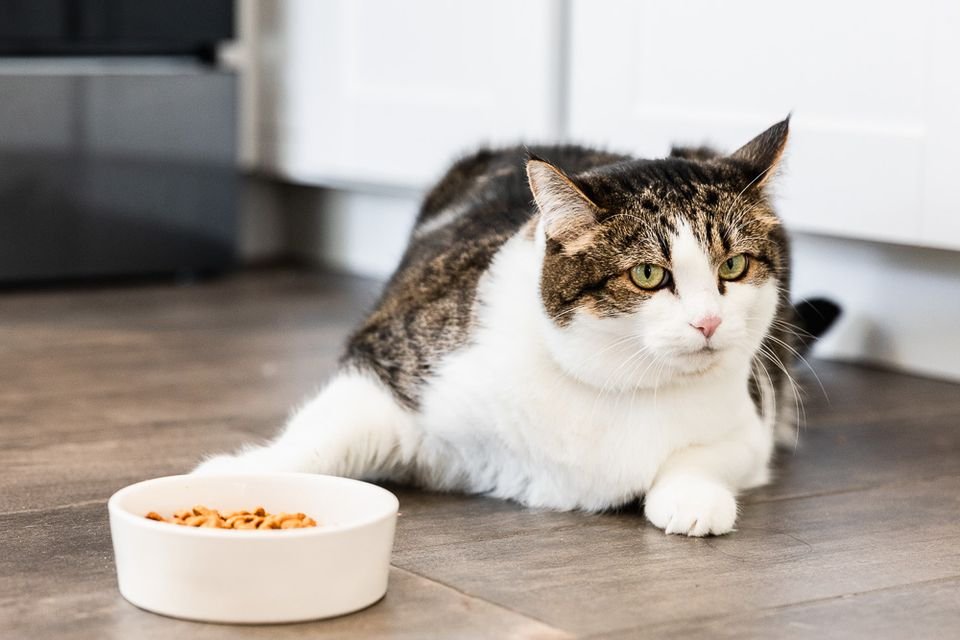
2. Notice What Changed — Amount, Food, or Routine?
Try to separate three different situations. A cat may be eating less of the same food, refusing one food while accepting another, or eating normally but at a different time or in a different place. These patterns can point to very different explanations.
| What you notice | What it may mean | What to check first |
| Eating less overall | Appetite may have changed | Routine, stress, treats, weight, other signs |
| Refuses one food but eats another | Preference, texture, smell, or food change | Food type, freshness, texture, transition |
| Eating at different times | Routine or environment may have changed | Feeding location, schedule, other pets |
| Eating more than usual | Energy needs or health may have changed | Weight, thirst, urination, activity |
3. The Environment Can Matter More Than You Think
Cats can be sensitive to where and how they eat. Noise, other animals, a dirty bowl, a nearby litter box, or a busy feeding area can make a cat less willing to eat. A change in the home can matter too — for example, a new pet, visitors, moving the bowl, or a change in household routine.
This is one reason feeding behavior should be considered alongside nutrition. Your guide on essential nutrients for cats explains what a cat needs nutritionally; this article focuses on what you can observe when eating behavior changes.
4. Food Preference Is Not the Same as Loss of Appetite
A cat that refuses one food but happily eats another may be showing a food preference. Smell, texture, moisture, temperature, and previous experience can all influence acceptance. That is different from a cat that has little or no interest in food at all.
This distinction matters because trying several new foods at once can make the situation harder to interpret. If the cat is otherwise well, observe what it accepts and change one variable at a time.
For example, if you are comparing wet and dry diets, wet vs. dry cat food can help you think about differences in moisture, texture, and feeding format without assuming that one format is automatically better.
5. Look at the Whole Picture
Eating behavior makes more sense when you look at it together with body weight, body condition, activity, drinking, stools, vomiting, and general behavior. A small change in appetite may be less concerning when everything else is normal, while a change accompanied by weight loss, vomiting, diarrhea, lethargy, increased thirst, or other signs deserves more attention.
WSAVA recommends nutritional assessment as part of routine care, including diet history, body weight, body condition, and muscle condition. This helps move the discussion from a single bowl of food to the cat’s overall nutritional status.
6. When Should You Take a Change Seriously?
Do not assume that a cat who is not eating is simply being picky. Cats can develop serious health problems when they stop eating, and reduced appetite can occur with many medical conditions. Cornell’s Feline Health Center advises veterinary attention when a cat refuses to eat and is losing weight, and notes that sustained appetite loss can have serious consequences.
Seek veterinary advice promptly if your cat stops eating, is eating substantially less than normal, is losing weight, or has other signs of illness. The goal is not to diagnose the cause at home, but to notice the change early enough to decide whether it needs professional evaluation.
A Simple Observation Checklist
- How much is my cat eating compared with normal?
- Is the cat refusing all food or only one type?
- Has the food, texture, moisture, freshness, or feeding routine changed?
- Has anything changed around the feeding area?
- Is the cat receiving extra treats or food elsewhere?
- Has body weight or body condition changed?
- Are there other signs such as vomiting, diarrhea, lethargy, increased thirst, or changes in urination?
The Main Takeaway
When your cat starts eating differently, do not jump straight to a new food. First identify what actually changed. A preference for one food, a change in routine, or a stressful feeding environment is different from a genuine loss of appetite. Observing the pattern — and noticing what happens alongside it — gives you a much clearer starting point.