Cat Nutrition

Cat Nutrition
Cat nutrition plays an important role in your cat’s health, energy, and everyday wellbeing. A balanced diet should provide the nutrients cats need at every stage of life.
From kitten nutrition to adult cat diets, choosing the right food can make feeding simpler and more effective. Our practical guides cover essential nutrients, feeding habits, hydration, and cat food choices.
Essential Cat Nutrition Tips
Good cat nutrition starts with a complete and balanced diet. Cats need essential nutrients such as protein, fats, vitamins, minerals, and amino acids. Fresh water should also be available every day.
When choosing cat food, consider your cat’s age, activity level, health needs, and food preferences. Wet and dry foods can both be appropriate when they provide complete and balanced nutrition.
🐈 Life Stages
Learn about feeding routines, growth, and the nutrients kittens need as they develop.
🧬 Nutrient Needs
Explore everyday nutrition, protein needs, hydration, and balanced diets for adult cats.
🥣 Feeding Decisions
Understand cat food types, ingredients, labels, and how to make informed food choices.
Latest Cat Nutrition Articles
-
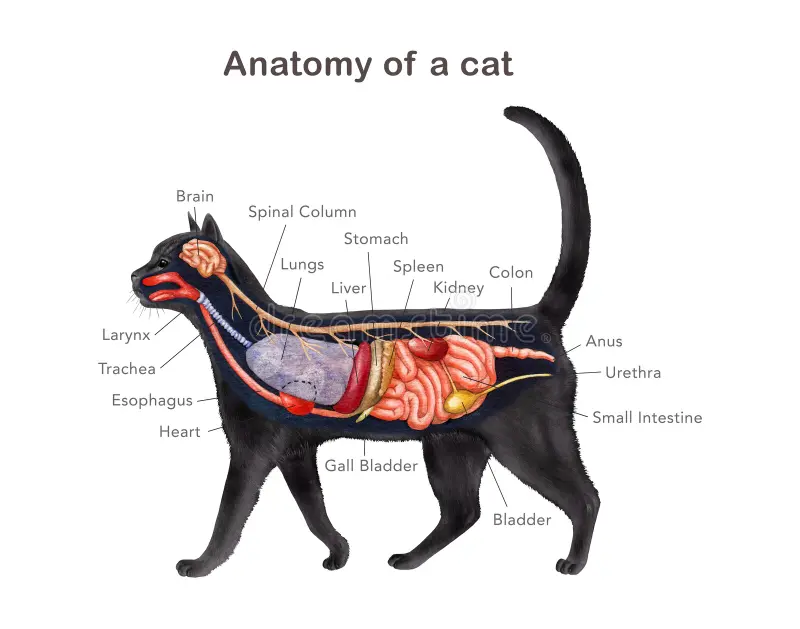
The Cat Gut Microbiome: Why Cats Process Food Differently Than Dogs
Cats are not simply small dogs when it comes to nutrition. Their digestive system and metabolism have evolved around a carnivorous feeding pattern, and this matters when we look at the microorganisms living in the gastrointestinal tract. The feline gut contains a diverse microbial community. Diet, age, body condition, and health can all influence that…
-
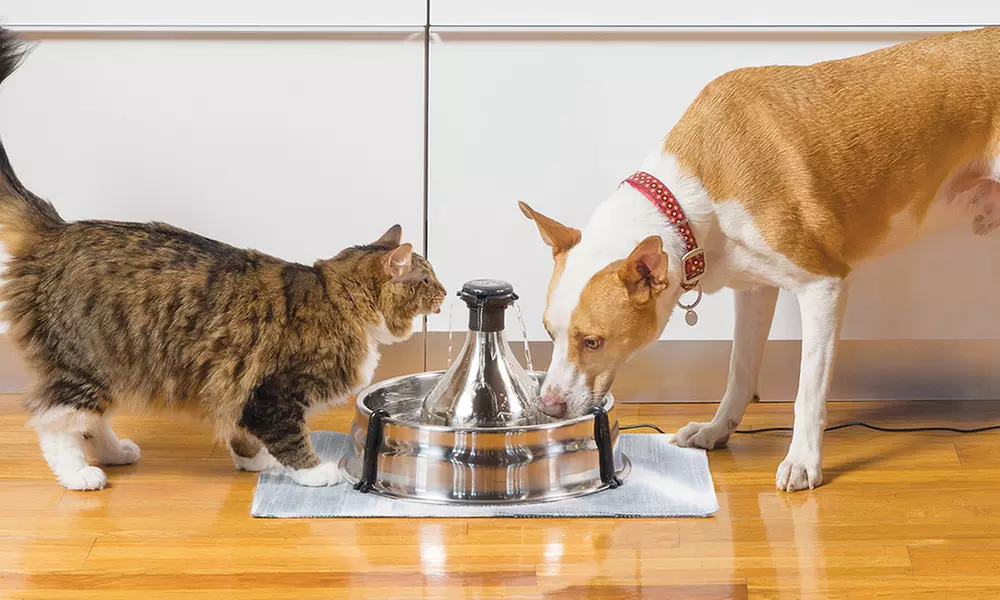
Hydration and Kidney Health: Why Water Intake Matters as Much as What’s in the Bowl
When people talk about pet nutrition, water is often treated as something that sits beside the food bowl rather than something that belongs inside the nutrition conversation. Physiologically, that distinction does not make much sense. Water is a nutrient, a transport medium, and one of the main variables the kidneys continuously regulate. A dog or…
-
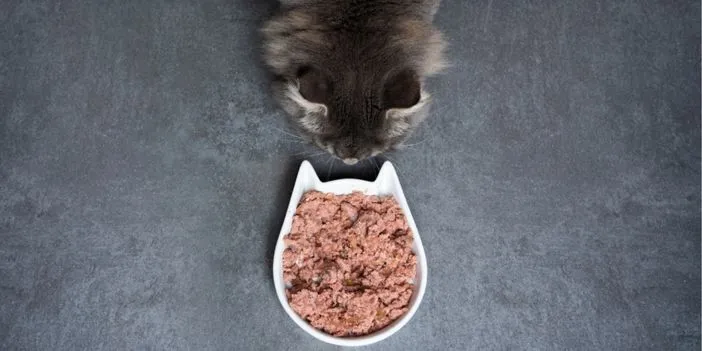
What the Moisture Content Actually Changes in the Body?
Moisture content is the variable most wet-vs-dry cat food discussions skip past — usually stopping at convenience, texture, price, or the simple claim that wet food contains more water. But moisture is not just a label number. It changes how much water a cat receives with each meal, how much it may need to obtain…
-
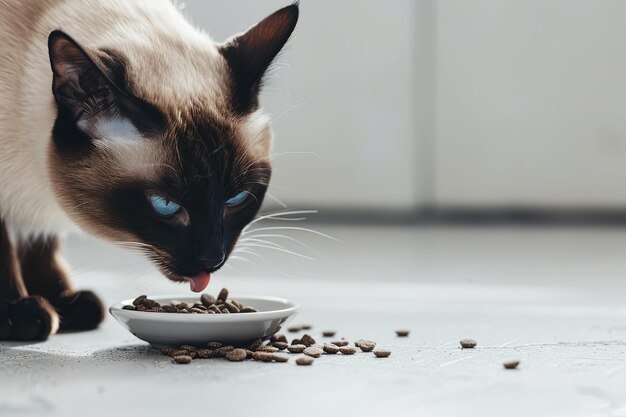
Common Cat Nutrition Myths: What’s Actually True?
Cat nutrition advice often sounds certain: cats need milk, dry food is bad, wet food is always better, or more protein must mean a healthier food. The problem is that these statements turn a complicated subject into simple rules. A better approach is to ask what the cat actually needs, what the complete diet provides,…
-

Dog vs. Cat Nutrition: Where the Science Actually Diverges
Dogs and cats may share our homes, sleep on the same sofa, and even try to steal from the same bowl. Nutritionally, however, they are not interchangeable. The biggest difference is not that one animal eats “more meat.” It is that cats have several nutrient requirements that are different from dogs, while dogs have a…
-
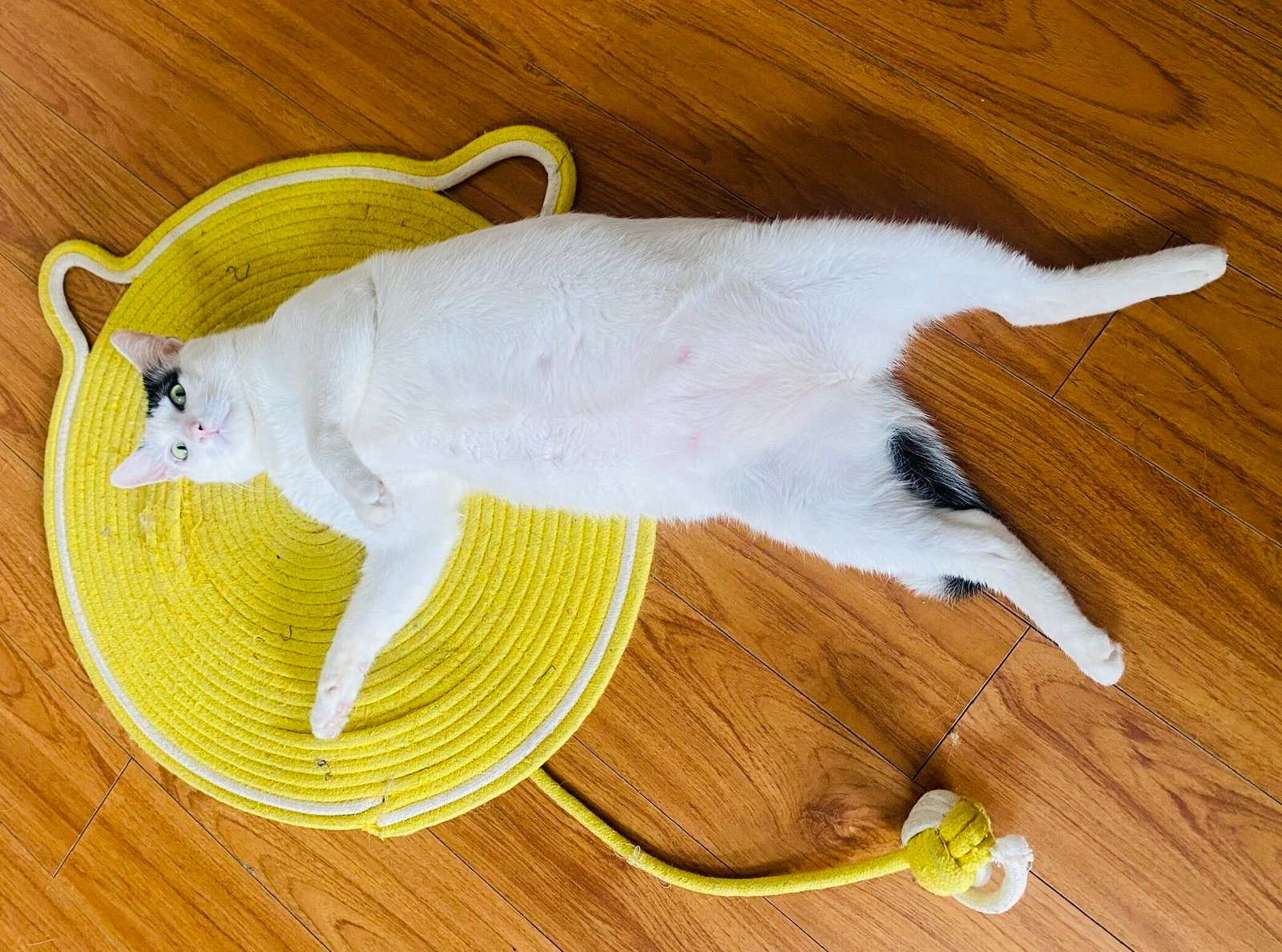
Weight Management in Cats: Why Obesity Is Hard to Reverse
Helping an overweight cat lose weight is not simply a matter of putting less food in the bowl. A cat’s calorie needs, activity level, body condition, feeding routine, and health all affect the plan. Because cats can become seriously ill if they stop eating or lose weight too quickly, weight reduction needs to be gradual…
-

Why Cats Are Picky Eaters: The Biology Behind Food Neophobia
Some cats seem to have a very short list of foods they will accept. Others sniff a new food, walk away, and return to the familiar bowl. This can be frustrating, but it is not always simple stubbornness. Why cats are picky eaters is partly explained by how cats detect food, learn food preferences, and…
-

Indoor vs Outdoor Cat Nutrition: Do Their Needs Really Differ?
Indoor vs outdoor cat nutrition is a common question, but living inside or outside does not automatically mean a cat needs a completely different type of food. The bigger question is how lifestyle changes a cat’s energy needs, activity level, body condition, and feeding pattern. An indoor cat that spends most of the day sleeping…
-
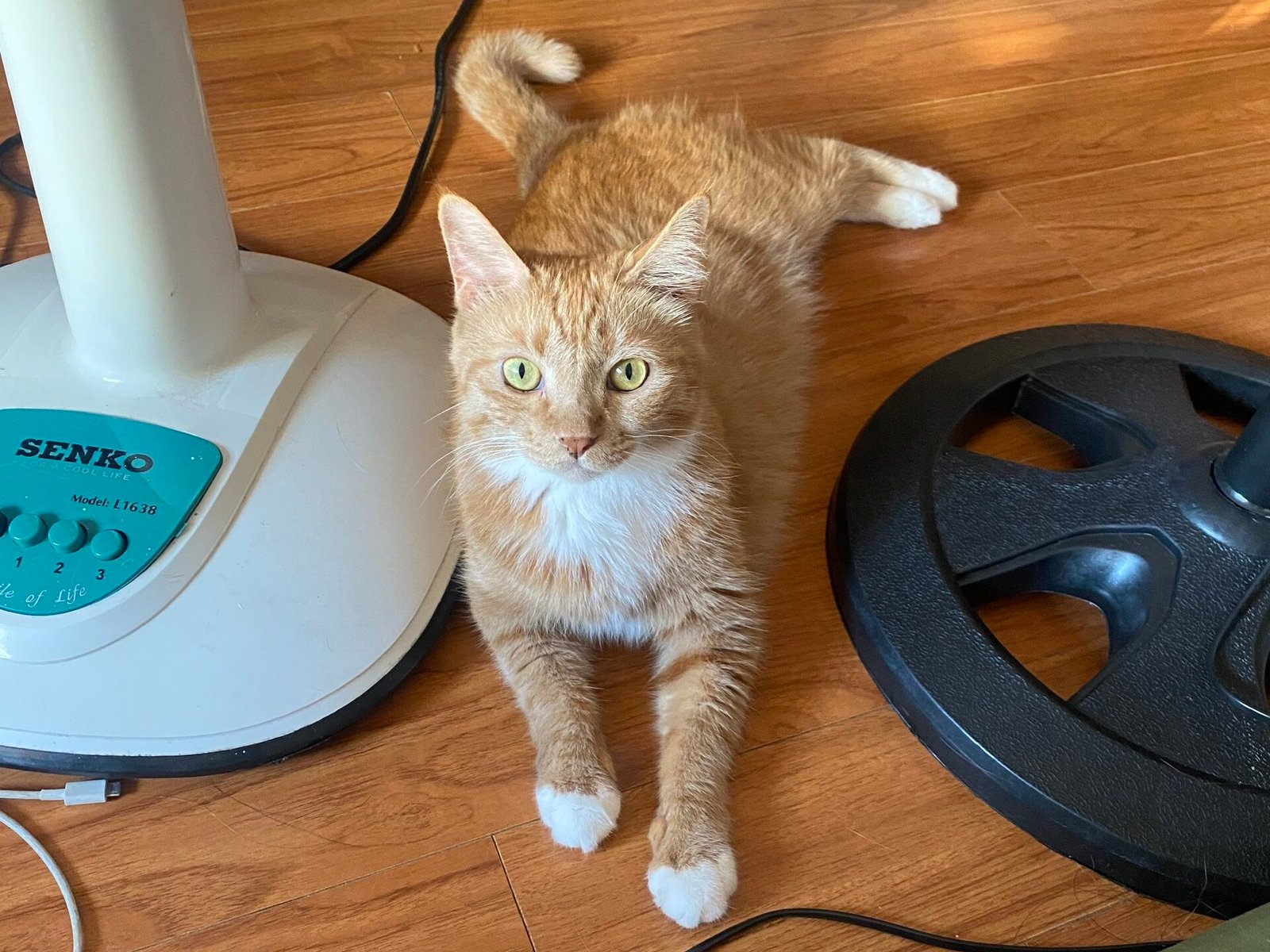
Senior Cats: How Nutritional Needs Change as Kidney and Metabolic Health Shift
Senior cat nutrition is not simply about switching to a food labeled “senior.” As cats age, changes in body weight, muscle condition, activity, appetite, hydration, kidney function, and metabolism can affect what type and amount of food is appropriate. For a broader foundation, see our Cat Nutrition guide. The important point is that aging does…